

On 24 February 2026, an early morning drone strike near Rubaya, a mining town in North Kivu province in eastern Congo, killed key M23 senior spokesperson Willy Ngoma, a key operational figure within the Rwanda-backed M23 rebel group. The strike hit an area that had served as an M23 enclave in recent weeks. Authorities have not identified the perpetrator.
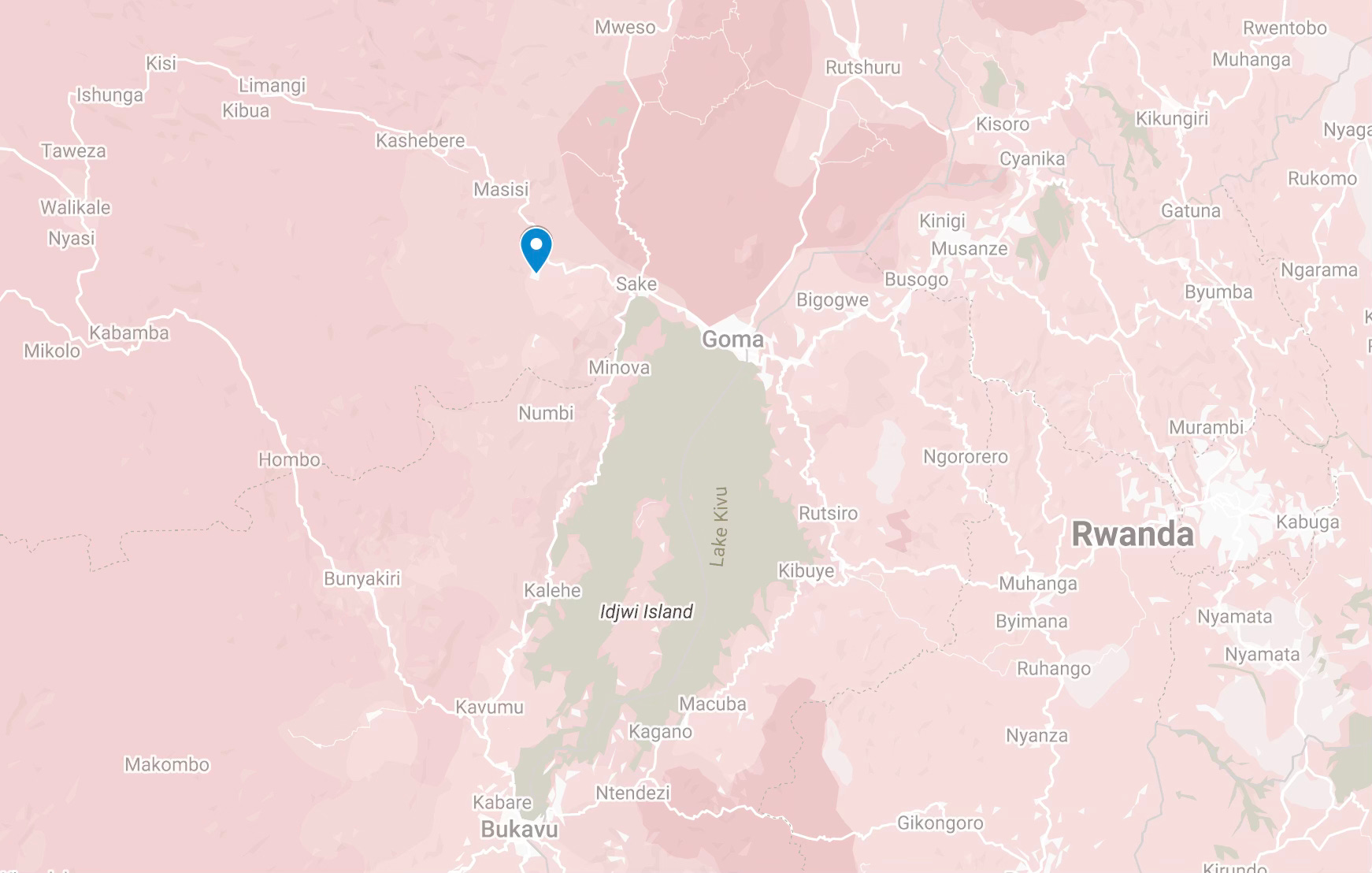
This strike is notable on several fronts, beginning with the unresolved question of attribution. The Congolese armed forces, operating alongside the Wazalendo militia, are the most likely suspects, yet neither has claimed responsibility. At the same time, other regional actors with drone capabilities and a vested interest in the conflict cannot be ruled out.
The timing is equally strategic. Even as U.S. President Donald Trump and Qatar lead renewed peace efforts, clashes have persisted in recent weeks, and this strike now threatens to further derail negotiations at a particularly fragile moment.
Drone Warfare in the DRC
Over the past several years, eastern Congo has become one of Africa’s most drone-intensive conflict zones. The Congolese army has maintained relative control of the skies by acquiring long-range attack drones, notably China’s CH-4 and Turkey’s TAI Anka. In response, the Rwandan army has deployed sophisticated GPS-scrambling systems along the border, which UN experts say also disrupt civilian and humanitarian flights. Foreign mercenaries from private military companies have also been present in the east to operate drones on behalf of the Congolese army.
On the other hand, Wazalendo militia fighters recovered an Estonian-made Threod Systems EOS C VTOL drone valued at over $150,000, exported only to Rwanda, from an M23 position in Masisi in March 2025. This added to mounting evidence of Rwandan drone support for the rebel group. M23 has also benefited from Rwandan-backed anti-drone weaponry as it continues to seize territory across North and South Kivu.
The humanitarian toll of this aerial buildup has been severe. During M23’s offensive on Uvira in December 2025, the use of attack drones, large-caliber artillery, and other heavy weapons resulted in at least 74 civilian deaths and 83 wounded, according to the UN. Both sides have accused each other of striking populated areas. The spread of armed drones sourced from China, Turkey, Estonia, and elsewhere has transformed this conflict into a technologically sophisticated proxy conflict with regional implications.
This strike fits squarely within this escalating pattern and will be important to watch for any claimed attribution or retaliatory response in the coming days.
Thanks for reading Dronefare. Follow us on LinkedIn and subscribe to stay up-to-date on the latest developments in drone warfare.