

Dronefare Weekly Drone Dispatch
Welcome to the Drone Dispatch, your dedicated source for staying ahead in the rapidly evolving world of drones and drone warfare. This newsletter brings together the latest developments in drones and drone warfare, from cutting-edge technology and tactical innovations to global military applications and policy shifts. Each dispatch is designed to provide a clear and concise overview of how drones are shaping modern conflict, international and domestic security, and strategy.
Executive Summary
Ukraine pushed deeper into Russia with long-range strikes while Russia hit cities like Kyiv and Sumy, killing civilians and straining power grids.
Moscow saw repeated overnight drone raids, with local media and officials reporting flight disruptions and defenses on alert around the Kremlin.
The U.N. detailed how Russian drones terrorized and displaced civilians, while Washington tracked a Russian test of the nuclear-powered Poseidon underwater drone.
China’s military is leaning into DeepSeek AI for drone swarms and robot dogs, while the Pentagon moves to revamp its own drone programs via DOGE.
Ukraine’s innovation drive continued, from a game-style scoring system for drone units to new Sea Baby maritime drones, while Europe upgraded IRIS radar to spot Shaheds sooner.
Drone Warfare
Russian Overnight Drone Strikes Hit Kyiv
On 27 October, drones and missiles hit Kyiv, killing at least three and injuring dozens as fires spread in residential blocks.
Moscow Under Drone Pressure
On 27 October, a large-scale overnight drone attack targeted several regions across western Russia, including the Moscow metropolitan area, according to Russian officials. Subsequent nights saw security forces guarding the Kremlin. The attacks show Ukraine using volume and reach to stress Russian air defense.
Sumy, Ukraine Apartment Block Hit in Russian Drone Strike
On 31 October, overnight strikes in Sumy injured at least 11, including children, and damaged energy sites. It was part of a wider barrage across the country.
Civilian Harm Documented by U.N.
On 27 October, a U.N. inquiry said Russian drones hunted and chased civilians from homes. The findings add legal and diplomatic weight to calls for accountability.
Ukrainian Strike on Russian Oil Port
On 1 November, a Ukrainian drone hit Tuapse on the Black Sea, damaging port facilities and sparking a fire. Targeting energy nodes keeps pressure on Russia’s logistics.
Sudan’s War Sees Drone Use Expand
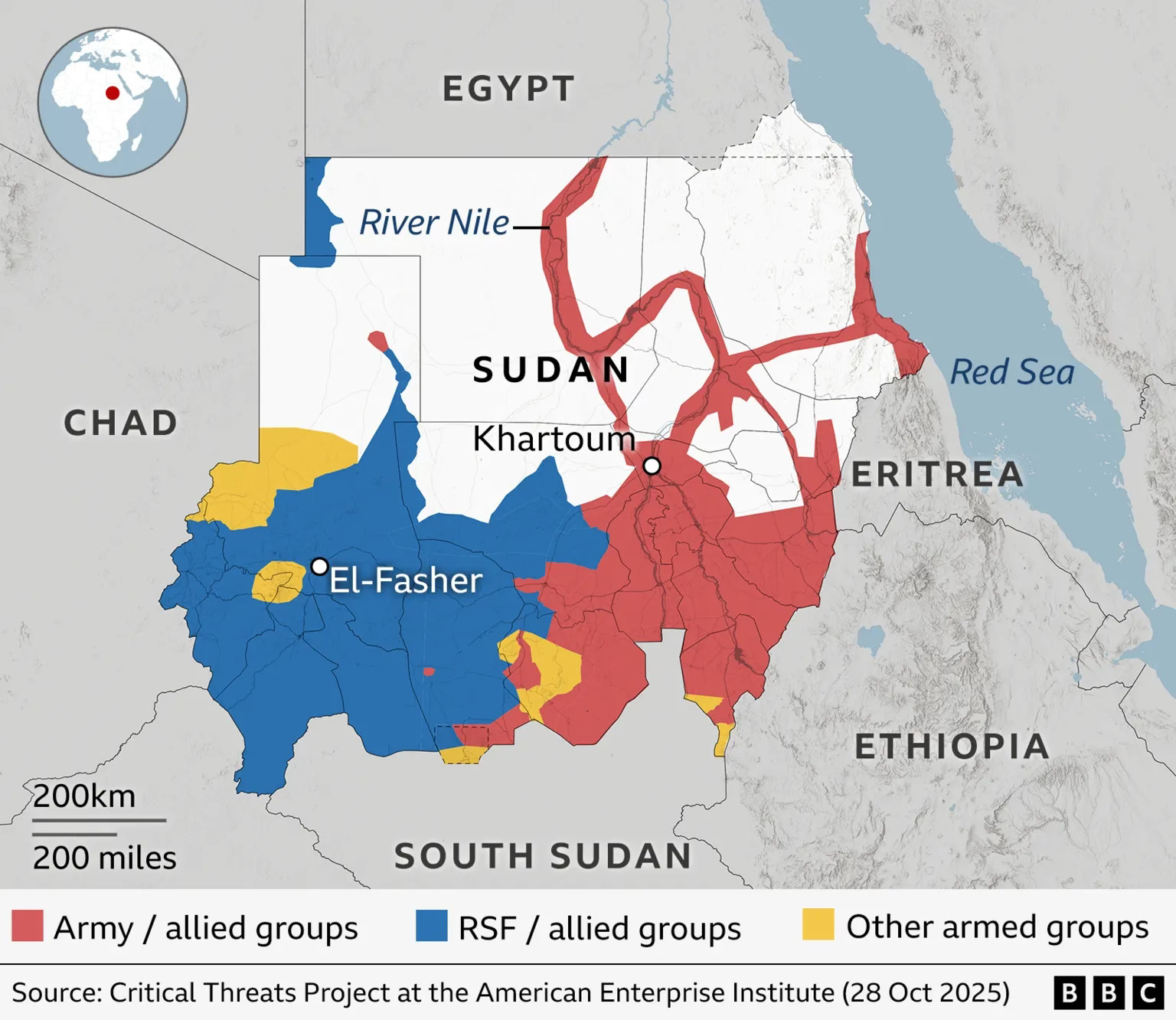
On 29 October, the RSF captured Darfur and has used drones to threaten rivals around Khartoum. Drones are deepening the conflict’s reach and risks.
Hungarian Soldier Killed in Drone Strike
On 31 October, a Transcarpathian Hungarian soldier was reported killed by an FPV strike in Donetsk.
Ukrainian Power Grid Under Drone Threat
On 30 October, a major assault by Russian forces, involving over 650 drones and 50 missiles, targeted Ukraine’s energy infrastructure and other sites, killing seven people and injuring many more. In response, the Ukrainian government imposed nationwide restrictions on electricity supply to households and industry as winter approaches, and damaged heating systems add to the strain.
Drone Policy & Regulation
Nuclear-Powered Underwater Drone Claim
On 29 October, Vladimir Putin said Russia had successfully tested the nuclear-powered Poseidon drone. The claim signals strategic messaging and raises concerns about escalation.
Drone Technology & Innovation
China’s DeepSeek Push
On 27 October, Reuters reported on PLA tenders for DeepSeek AI for robot dogs, drone swarms, and automated targeting. Procurement points to growing “algorithmic sovereignty.”
Pentagon DOGE Overhaul
On 30 October, Reuters reported the Pentagon’s DOGE unit plans to revamp U.S. drone programs. Expect faster iteration and more autonomy at the edge.
Radar Upgrade to Spot Shaheds Sooner
On 27 October, a software upgrade doubled IRIS radar’s detection radius to ~12 km. Earlier spotting of slow, low drones increases the chances of interception.
Sea Baby Maritime Drones
Ukraine has developed small unmanned surface vessels (USVs) called “Sea Baby” drones, which have evolved from one-way kamikaze craft into reusable platforms capable of carrying heavy payloads, rockets, and machine-gun turrets — with ranges up to ~1,500 km and payloads up to ~2,000 kg. These drones are now enabling Ukraine to project force into the Black Sea, challenge Russia’s naval dominance, and force Moscow to divert resources into counter-USV defenses, highlighting a shift toward swarm-based, low-cost maritime warfare, argues Drone and UAV Warfare Analyst Avery Warfield.
Concept: Drones vs. Army Units
On 27 October, a defense scholar told Defense News that swarms could replace some large U.S. Army formations in Europe. The debate centers on cost, resilience, and command.
Analysis
This week showed how drones are now at the heart of both war and policy. In Ukraine, drones have become the main way to reach deep into Russia and disrupt fuel and supply networks. The strikes on Moscow and the Black Sea port of Tuapse show that Ukraine can now hit far from the front lines. For Russia, drones remain its most flexible weapon—cheap, fast to launch, and able to wear down Ukrainian defenses and energy systems just as the country heads into winter.
Across the world, drones are increasingly shaping political and military decisions. The United Nations report on Russian drone attacks put a spotlight on how these weapons are being used directly against civilians, turning them into tools of fear and displacement. That finding could push international courts to treat drone terror as a war crime, marking a turning point in how the world judges this kind of warfare.
Outside Ukraine, the technology race is speeding up. China’s push with DeepSeek, its artificial intelligence system for drone swarms and robot dogs, signals that the next generation of warfare will rely less on human operators and more on self-directing machines. The United States is responding by reorganizing its own drone programs, trying to make them quicker, cheaper, and smarter.
Outlook
Expect continued attacks on energy nodes and urban centers as winter approaches, with rolling outages in Ukraine likely. Watch for more autonomy in both Chinese DeepSeek projects and U.S. programs, and increased counter-drone spending after the IRIS upgrade.
What to Watch
Chinese AI chips: Track Huawei vs. restricted Nvidia use in PLA tenders—an indicator of how Beijing sustains AI for drones.
Underwater deterrence: Any follow-on tests or deployments tied to Poseidon messaging.
Maritime pressure: New Sea Baby strikes that threaten ports and shipping lanes.
Thanks for reading Dronefare’s Weekly Drone Dispatch. Follow us on LinkedIn and subscribe to stay up-to-date on the latest developments in drone warfare.